
Smart Google Ads Campaign Structure in 2026: Reduce Wastage, Increase ROI

Running Google Ads in 2026 without a proper campaign structure is one of the fastest ways to waste budget. With automation, AI bidding, and intent-based targeting now dominating the platform, structure matters more than ever.
At AdWired, we’ve seen one clear pattern:
👉 Well-structured Google Ads accounts consistently outperform poorly structured ones—even with smaller budgets.
This blog explains how to build a smart Google Ads campaign structure in 2026 that reduces wastage and increases ROI.
Why Campaign Structure Is Critical in 2026
Google Ads is now heavily AI-driven, but AI still needs clarity and clean signals to work effectively.

A strong structure helps:
-
Control budget distribution
-
Improve Quality Score
-
Send clear intent signals to AI
-
Reduce irrelevant clicks
-
Scale winning campaigns faster
Without structure, even smart bidding fails.
What “Smart Structure” Means in Google Ads 2026
A smart structure is not about creating hundreds of campaigns or keywords. It is about clarity, simplicity, and intent alignment.
In 2026, a good structure is:
-
Intent-based
-
Funnel-oriented
-
Conversion-focused
-
AI-friendly
This aligns perfectly with how Google Ads works today.
Step-by-Step Smart Google Ads Structure (2026)
1. Separate Campaigns by Goal

Never mix different objectives in one campaign.
Create separate campaigns for:
-
Lead generation
-
Sales / purchases
-
Brand awareness
-
Remarketing
Each goal needs different bidding, creatives, and optimization signals.
2. Structure by Search Intent (Not Just Keywords)
In 2026, intent matters more than keyword match types

Group campaigns by intent:
-
High-intent (buy / hire / pricing)
-
Mid-intent (comparison / best / top)
-
Low-intent (awareness / informational)
AI performs better when intent is clear.
3. Use Fewer, Cleaner Ad Groups
Over-segmentation is a common mistake.

Best practice:
-
1–3 ad groups per campaign
-
Closely related keywords
-
Clear ad messaging
This gives AI enough data to optimize faster.
4. Smart Use of Match Types
Exact-only strategies no longer scale well.
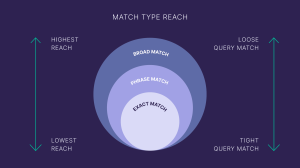
In 2026:
-
Broad match + smart bidding works best
-
Phrase match supports intent control
-
Exact match is used selectively
The goal is coverage with control, not restriction.
5. Strong Negative Keyword Strategy
Negatives still matter—even with AI.

Use negatives to:
-
Block irrelevant searches
-
Protect budget
-
Improve lead quality
Review search terms regularly and refine negatives weekly.
Structuring Performance Max Campaigns Correctly
Performance Max (PMax) is powerful—but dangerous without structure.
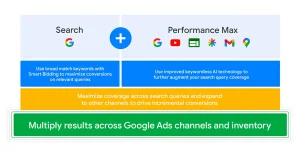
Best practices:
-
Separate PMax from Search campaigns
-
Use strong audience signals
-
Upload high-quality creatives
-
Track conversions accurately
Never run PMax without knowing where your budget is going.
Landing Pages: Part of Campaign Structure
A smart campaign structure always includes landing page alignment.

Each campaign should:
-
Match user intent
-
Have one clear CTA
-
Load fast
-
Build trust
Ads don’t convert—landing pages do.
Budget Allocation Strategy (2026)
Avoid spreading budget thinly.

Recommended approach:
-
70% budget → high-intent campaigns
-
20% budget → scaling / testing
-
10% budget → awareness / experiments
Let data—not emotions—decide budget increases.
Metrics to Monitor With a Smart Structure

Focus on:
-
Cost per acquisition (CPA)
-
Conversion rate
-
Search term quality
-
Impression share (high-intent campaigns)
-
ROAS (for eCommerce)
Avoid vanity metrics like clicks and impressions alone.
Common Campaign Structure Mistakes in 2026

-
Mixing brand and non-brand keywords
-
Running Search + PMax blindly together
-
Too many ad groups with low data
-
No negative keywords
-
One landing page for everything
These mistakes silently kill ROI.
How AdWired Builds Google Ads Structures That Scale
At AdWired, our Google Ads structure is:
-
Goal-driven
-
AI-guided
-
Funnel-based
-
Conversion-focused
Our process includes:
-
Intent mapping
-
Funnel alignment
-
Clean data setup
-
Ongoing restructuring as data grows
We don’t chase complexity—we build clarity that scales.
Old vs Smart Google Ads Structure
| Old Structure | Smart Structure (2026) |
|---|---|
| Keyword-heavy | Intent-focused |
| Manual control | AI-guided |
| Click-based | Conversion-based |
| Complex | Clean & scalable |
Final Thoughts
In 2026, winning Google Ads campaigns are not built on hacks or tricks. They are built on smart structure, clean data, and clear intent.
If your structure is right, Google’s AI works for you.
If it’s wrong, no amount of budget can save performance.
🚀 Want a High-ROI Google Ads Structure?
Let AdWired design and manage a Google Ads structure that reduces wastage and increases ROI—consistently.